The Wild Atlantic Way in Winter: A Luxury Guide to Storm-Watching and Turf Fires

The Atlantic doesn’t sleep in December; it roars. There is a specific, primal thrill in standing behind the floor-to-ceiling glass of a coastal manor in County Mayo while a Force 10 gale sends plumes of white spray 30m into the air against the black jagged rocks of the shoreline. Inside, the world is reduced to the rhythmic crackle of a seasoned ash log in the hearth and the amber glow of a single-malt whiskey resting on a coaster. This is the "Secret Season." While the summer tourists jostle for a square inch of standing room on a crowded pier, the winter traveler inherits the entire coastline. It is a time when the landscape strips away its soft green pretense and reveals its true, rugged bones.
For the luxury traveler, the Wild Atlantic Way in winter is not about endurance; it is about the contrast between the savage elements and the peak of Irish hospitality. It is the only time of year when you can walk the white sands of Dog’s Bay in Connemara and not see a single footprint but your own, before returning to a 5-star sanctuary where the staff-to-guest ratio is at its most indulgent. However, winter in the West brings its own set of logistical demands. The days are short, the "soft weather" can turn into a horizontal deluge in minutes, and the art of the Irish road trip shifts from covering distance to finding the perfect place to settle in.
"People think we close up when the clocks go back. Far from it. Winter is when the real Ireland comes out to play. The sessions in the pubs are longer, the fires are hotter, and the stories are better because we finally have the time to tell them. You haven't seen the Atlantic until you’ve seen it angry—and you haven't felt Irish warmth until you’ve come in from a winter storm to a bowl of seafood chowder and a seat by the fire." — Liam, a lighthouse keeper's son and boutique hotelier in County Donegal.
The 'Secret Season' offers a perspective on the coast that we detail extensively in our Ultimate Wild Atlantic Way Self-Drive Guide.
The Aesthetic of the Elements: Storm-Watching as a Luxury Sport

In the modern world, we spend so much time insulated from nature that we forget its scale. A winter journey along the coast of Sligo, Mayo, or Clare restores that perspective. The "Big Swell" season attracts world-class surfers to places like Mullaghmore Head, where waves can reach heights of 15m to 20m. Watching these giants break against the headlands is a spectator sport of the highest order.
Luxury storm-watching is best experienced from properties designed to showcase the drama. We curate stays in specific coastal suites where the architecture serves as a frame for the ocean’s fury. You might spend an entire morning watching the light change over the surf, moving from a bruised purple at 9:00 AM to a brilliant, cold silver by noon.
- The Mullaghmore Loop: A short but high-impact drive. In winter, the spray often washes over the road, a reminder that the Atlantic is the true owner of this territory.
- The Gear: We advise our clients that "there is no such thing as bad weather, only the wrong clothes." A high-end, breathable waterproof shell and a pair of sturdy leather boots are the uniform of the winter elite.
The Short-Day Strategy: Maximizing the 7 Hours of Light

In the depths of December, the sun rises over the Irish coast around 8:30 AM and sets as early as 4:15 PM. For the self-drive traveler, this creates a unique logistical constraint. The long, winding drives of summer must be compressed.
The luxury winter itinerary is built around the "Late Start, Early Finish" philosophy. You don't want to be navigating a narrow, unlit boreen in a flooded valley after dark. Instead, we plan your driving segments to be no more than 80km to 100km, ensuring you are off the road by 3:30 PM. This allows the evening to become the main event—a slow transition from a late-afternoon spa treatment to an extended multi-course dinner.
- Winter Solstice at Newgrange: While technically in the East, many of our winter guests combine the Wild Atlantic Way with a visit to the Boyne Valley. The alignment of the sun at the winter solstice is a 5,000-year-old miracle, though tickets are allocated by lottery.
- The Gloaming: That hour between 4:00 PM and 5:00 PM is when the Irish landscape is at its most haunting. The blue light of the "gloaming" against the yellow squares of lit cottage windows is a sight that defines the winter aesthetic.
Christmas and the Castle Tradition

There is no more evocative place to spend the festive season than an Irish castle. Properties like Dromoland, Ashford, or Ballynahinch transform into Victorian winter wonderlands. The luxury here is found in the traditions: the arrival of the local choir for carols in the Great Hall, the "St. Stephen's Day" (December 26th) walks through the frost-covered estate, and the sheer abundance of the festive table.
For many of our North American and Australian guests, an Irish Christmas is a return to a more authentic, less commercial celebration. It’s about the quality of the company and the depth of the cellar.
- The Festive Rate: A 3-night Christmas package in a premier castle suite typically ranges from €3,500 to €6,000, including all meals and curated activities.
- The Hunt for the Wren: On St. Stephen's Day, you might encounter "Wren Boys" in traditional straw suits performing music and dance—a pagan-rooted tradition that survived the centuries.
Winter is the prime time to retreat to the best castle hotels along the Wild Atlantic Way, as they are designed for stormy evenings and warmth.
Winter Road Realities: Water, Ice, and Wind

Driving the Wild Atlantic Way in winter requires a different psychological approach. The roads aren't just narrow; they can be treacherous.
- Flood Risks: Intense Atlantic depressions can lead to "spot flooding" on coastal roads. A road that was clear at breakfast can have 20cm of standing water by lunch. Knowing how to judge the depth and when to turn back is vital.
- The Wind Buffet: High-sided vehicles can be difficult to handle on the exposed headlands of Donegal or Kerry when gusts exceed 80km per hour. A low-profile, heavy luxury sedan or a high-spec SUV with advanced stability control is essential.
- Black Ice: While Ireland’s maritime climate means we rarely get heavy snow on the coast, "black ice" is a frequent morning hazard on sheltered inland roads.
The Culinary Winter: Roots, Game, and Richness

The food of the Wild Atlantic Way shifts in winter from the light, citrus-heavy seafood of summer to something more foundational. This is the season of wild venison from the hills of Wicklow and Kerry, of root vegetables caramelized to a deep sweetness, and of the "Winter Oysters" which many connoisseurs believe are superior to the summer varieties due to the colder water temperatures.
The pub experience also changes. The outdoor beer gardens are abandoned in favor of the "snug" and the space closest to the fire. The scent of turf (peat) smoke is the olfactory signature of a winter road trip. It is a smell that stays in your clothes and your memory long after you’ve returned home.
- The Winter Dram: This is the time to explore the heavier, sherry-cask influenced Irish whiskeys. A glass of Redbreast 12 or a rare Midleton release by a roaring fire is a sensory experience that cannot be replicated in a city bar.
The Darkness and the Damp

There is a version of the winter road trip that can feel like a sequence of missed opportunities. You land at Shannon in the rain. Your rental car is a standard hatchback with dim headlights and tyres that feel every bit of their 40,000km of wear. Because the sun sets so early, you find yourself on a narrow, flooded road in Connemara at 5:00 PM, completely blind to the stone walls on either side, gripped by the fear of a breakdown in a place where no one is passing by.
You arrive at your hotel wet, stressed, and exhausted, only to find that the "scenic route" you took was shrouded in mist, meaning you saw nothing but a grey wall for 4 hours. Without local guidance, you find that many of the boutique shops and smaller restaurants have closed for the season, leaving you to eat in a brightly lit, empty hotel dining room. The "luxury" of the off-season has turned into a cold, damp disappointment.
At Celtic Vacations, we are the masters of the Irish winter. We don't just send you out into the storm; we curate the storm for you.
For our Self-Drive clients, we provide the ultimate winter-ready fleet—heavy, high-traction vehicles equipped with the best lighting systems and full-coverage protection. We redesign your itinerary to account for the 4:00 PM sunset, ensuring every mile you drive is in the best light and every stop you make is at a venue we know is open, warm, and welcoming. We provide a "Live Weather" concierge service, suggesting route pivots if a particular headland is facing a gale.
Related Articles

The Urban Dram: Designing the Perfect Dublin Whiskey Tours Itinerary
Design the ultimate luxury Dublin whiskey tours itinerary. Explore the historic Liberties, private tastings, and historic pub snugs without city stress.

The Midleton Distillery Tour: Unlocking Cork's Ultimate Whiskey Shrine
Master the ultimate Midleton distillery tour in Cork. Experience private tastings, luxury castle resort stays, and hassle-free private chauffeur transport.

Spirits of the North Coast: The Discerning Traveler's Guide to the Bushmills Distillery Tour
Master the ultimate Bushmills distillery tour. Experience private tastings, luxury Antrim coast accommodation, and stress-free Northern Ireland logistics.
Explore Our Tour Packages
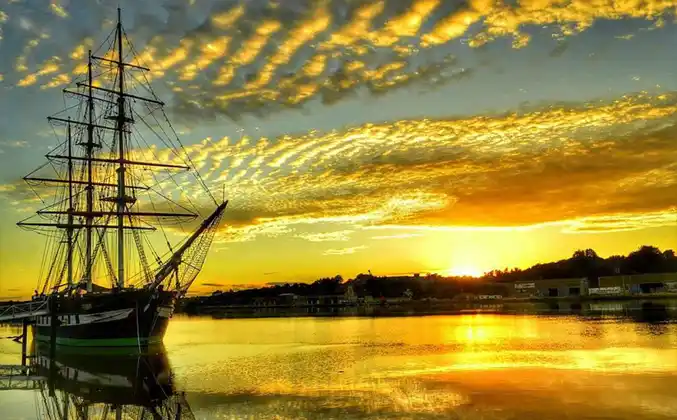
10-Night Ireland Ancestry
A 10-night tour uncovering Ireland’s ancestral stories.
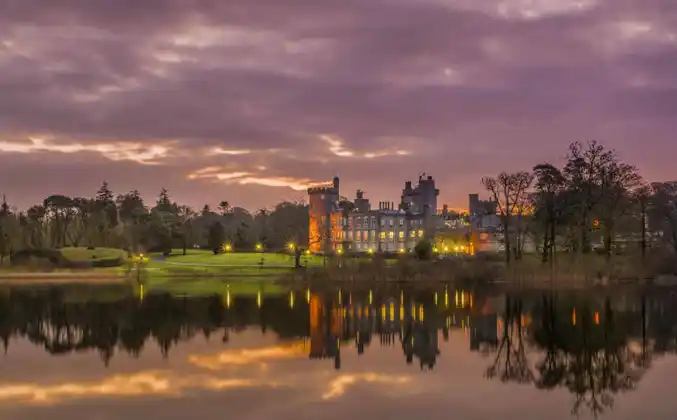
7-Night Irish Castles & Manor's
Experience a 7-night luxury journey through Ireland, staying in some of its most exclusive castle and manors
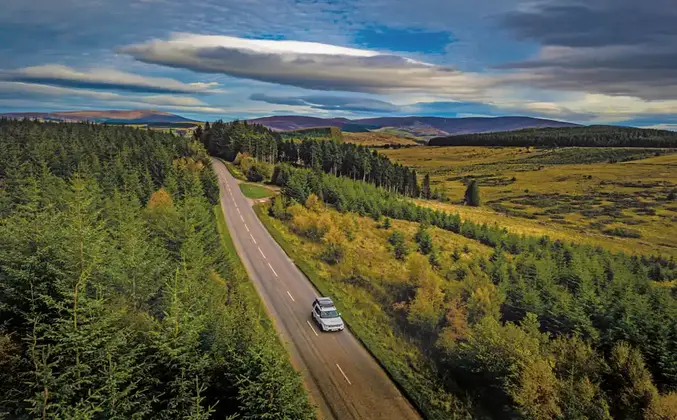
10-Night Legendary Scotland
A private 10-night Land Rover Discovery tour of Scotland for up to 4 guests.