Cost of a Self-Drive Tour in Ireland: Your Insider's Guide to Budgeting

An Irish adventure is built on moments: the perfect traditional session in a local pub, the view from a rain-swept cliff, and the freedom of the open road. However, the question of what this experience actually costs can often feel like a hurdle. Rather than dealing in generalities, let’s look at the concrete numbers behind a 2026 self-drive itinerary. This guide breaks down the essential costs, helping you align your travel dreams with a realistic, manageable budget.
Ireland offers incredible value for the experience, but it's not a budget destination if you truly want to immerse yourself. Expect to invest in quality, because the memories you'll make here are priceless. We're talking real numbers, practical advice, and insider tips to help you navigate the financial landscape of your Irish road trip.
The Holy Trinity Roadmap: Where Your Money Goes

Every successful self-drive hinges on three primary spending categories. Master these, and you've mastered your budget. They are your car rental, your accommodation, and your daily expenses covering food, drink, and activities. Each element offers flexibility, allowing you to tailor your trip to your financial comfort zone.
Understanding the interplay between these three pillars is crucial. Splurge on a castle stay? Perhaps balance it with more self-catering. Opt for a premium car? You might economize on some meals. It's all about strategic allocation to get the most out of your journey.
Car Rental: The Unseen Costs That Add Up

This is where many travelers get tripped up. The advertised daily rate is rarely the full story. Ireland's car rental market has its quirks, particularly around insurance. Manual transmission vehicles are standard, so if you require an automatic, book well in advance and expect a premium.
Here’s the breakdown:
- Base Rental Rate: This varies wildly by season, demand, and vehicle size. Expect €30-€70 per day for a compact car in shoulder season, rising to €70-€120+ in peak summer. Book early for the best rates.
- Insurance (CDW): Collision Damage Waiver is often mandatory. Your credit card might offer coverage, but check the specifics for Ireland. Many cards exclude coverage in Ireland, or require you to purchase local CDW anyway.
- Excess Waiver: This reduces your deductible (excess) to zero. It's highly recommended for peace of mind. Without it, you could be liable for the first €1,500-€3,000 of damage. This can add €15-€30 per day.
- GPS/Sat-Nav: Rental companies charge for this, often €10-€15 per day. Your phone with Google Maps or similar works perfectly, just ensure you have a data plan or download offline maps.
- Fuel: Petrol (gasoline) and diesel are expensive in Ireland, significantly more than in North America. Budget €1.70-€1.90 per litre. A compact car might use €50-€80 of fuel for a day of extensive touring, depending on your route.
"Don't skimp on the excess waiver. It's the best insurance against an unexpected ding on a narrow country lane. Trust me on this one."
For a stress-free experience, consider a specialist. Celtic Vacations partners with My Irish Cousin, who offer transparent pricing, full insurance included, and a highly personalized service for car rental in Ireland. It simplifies the process immensely, avoiding hidden charges upon arrival.
Accommodation Choices: From Cozy B&Bs to Grand Castles

Your sleeping arrangements will be a significant chunk of your budget, but Ireland offers a fantastic range. Prices fluctuate based on location, season, and type of lodging. You're spoiled for choice, from quaint guesthouses to luxurious hotels.
- Bed & Breakfasts (B&Bs): The heart of Irish hospitality. Expect €80-€150 per night for a double room with breakfast. Often family-run, they offer local insights and a warm welcome.
- Guesthouses/Small Hotels: A step up from B&Bs, usually with more amenities. Prices range from €120-€200 per night.
- Mid-Range Hotels: Think €150-€250 per night in cities, less in rural areas. Quality varies, so read reviews.
- Luxury Hotels/Castle Stays: From €300 to €1000+ per night. These are splurge items, often worth it for a special occasion or a night of indulgence.
- Self-Catering (Apartments/Cottages): Great for longer stays or families. Can range from €100-€300 per night, offering kitchen facilities to save on dining out.
Booking in advance, especially for peak season (June-August) and popular spots like Dublin or the Ring of Kerry, is non-negotiable. Fáilte Ireland, the National Tourism Development Authority, provides excellent resources for finding approved accommodations.
Food & Drink: Eating Your Way Through Ireland

Irish food has come a long way. You'll find everything from hearty pub grub to Michelin-starred dining. How much you spend here depends entirely on your habits.
- Breakfast: Often included with B&Bs. If not, a café breakfast runs €10-€15.
- Lunch: A pub lunch or café sandwich with a drink is typically €12-€20. Supermarket picnics are a budget-friendly alternative.
- Dinner: A casual pub dinner with a main course and a drink can be €25-€40. Mid-range restaurants will be €40-€70+ per person. Fine dining is significantly more.
- Pints: A pint of Guinness or local beer averages €5.50-€7.50, more in Dublin city centre.
- Groceries: If self-catering or making picnics, budget €50-€70 per day for two people for basic groceries.
Don't miss the opportunity to sample local produce. Farmers' markets and independent food shops offer delicious, fresh options. A traditional Irish breakfast is a must-try at least once, setting you up perfectly for a day of exploration.
Activities & Attractions: What to Spend On

Ireland is rich in history and natural beauty, offering a mix of free and paid experiences. Prioritize what truly interests you.
- Free: Hiking coastal paths, exploring national parks (e.g., Killarney National Park), wandering charming towns, enjoying live traditional music sessions in pubs (though buying a pint is customary).
- Paid Attractions:
- > Entry typically €10-€20 per person (e.g., Bunratty Castle).
- Museums: Many national museums, like the National Museum of Ireland in Dublin, are free. Private museums or galleries may charge.
- Experiences: Boat trips (Cliffs of Moher, Aran Islands) €25-€50. Guided tours (walking tours, whiskey distillery tours) €20-€40.
Consider the Heritage Card if you plan to visit many OPW (Office of Public Works) sites. It offers great value, granting unlimited access to over 100 attractions for a year.
Seasonality & Planning: When to Go, What to Pay

The time of year significantly impacts costs. Ireland's peak season is June to August. This is when the weather is generally best, days are long, and major attractions are bustling. Expect higher prices for everything from flights to car rentals and accommodation.
- Peak Season (June-August): Highest prices, most crowded. Book 6-12 months in advance.
- Shoulder Season (April-May, September-October): Good weather, fewer crowds, better prices (15-30% less). An excellent time for a self-drive.
- Low Season (November-March): Lowest prices, fewest crowds, but shorter daylight hours and colder, wetter weather. Some attractions may have reduced hours or be closed.
Festivals and events can also drive up local prices. Check event calendars for your chosen dates, especially if you're visiting cities like Dublin or Galway during major festivals.
The Value of Expert Planning: Beyond the Spreadsheet

You can meticulously plan every detail, but some elements of a self-drive tour in Ireland are hard to quantify. The value of local expertise, seamless logistics, and curated experiences often outweighs the perceived savings of DIY. Navigating unfamiliar roads, finding hidden gems, and dealing with unexpected issues can add stress, not adventure.
For travelers seeking a fully planned experience, working with a specialist like Celtic Vacations can transform logistics into seamless adventure. They handle the nuanced details, from ideal driving routes to hand-picked accommodations and exclusive experiences. This is particularly valuable when planning your ireland self drive tours, ensuring you focus on the journey, not the myriad of booking decisions.
A bespoke itinerary from Celtic Vacations ensures you hit the hidden gems without the guesswork. They understand that true value isn't just about the lowest price, but about the quality of the experience and the peace of mind that comes with expert support.
Your Irish Adventure Awaits
So, what's the bottom line? A comfortable, mid-range self-drive tour in Ireland for two people will likely cost between €300-€550 per day, excluding flights. This covers a compact car with full insurance, a lovely B&B or guesthouse, two meals out, and a couple of paid attractions. You can certainly go lower with more self-catering and free activities, or significantly higher with luxury stays and fine dining.
The key is smart planning and realistic budgeting. Understand where your money is going, make informed choices, and prioritize the experiences that matter most to you. Ireland is an unforgettable destination, and with this guide, you're now equipped to craft a self-drive adventure that fits both your dreams and your wallet.
Related Articles

The Urban Dram: Designing the Perfect Dublin Whiskey Tours Itinerary
Design the ultimate luxury Dublin whiskey tours itinerary. Explore the historic Liberties, private tastings, and historic pub snugs without city stress.

The Midleton Distillery Tour: Unlocking Cork's Ultimate Whiskey Shrine
Master the ultimate Midleton distillery tour in Cork. Experience private tastings, luxury castle resort stays, and hassle-free private chauffeur transport.

Spirits of the North Coast: The Discerning Traveler's Guide to the Bushmills Distillery Tour
Master the ultimate Bushmills distillery tour. Experience private tastings, luxury Antrim coast accommodation, and stress-free Northern Ireland logistics.
Explore Our Tour Packages

10-Night Ireland Ancestry
A 10-night tour uncovering Ireland’s ancestral stories.
7-Night Irish Castles & Manor's
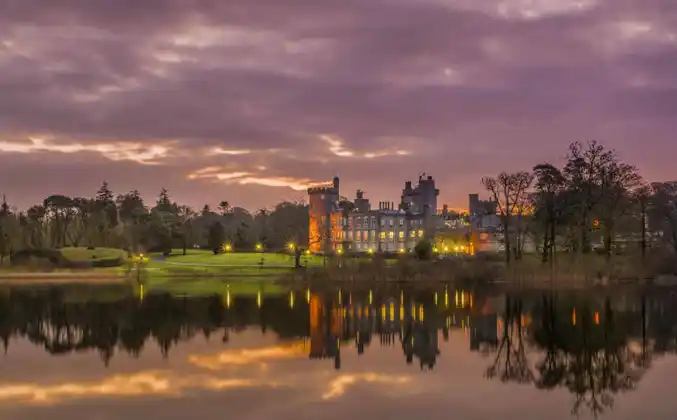
Experience a 7-night luxury journey through Ireland, staying in some of its most exclusive castle and manors
10-Night Legendary Scotland
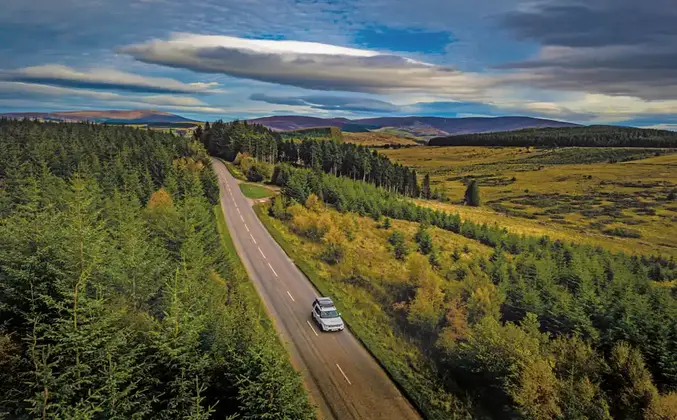
A private 10-night Land Rover Discovery tour of Scotland for up to 4 guests.